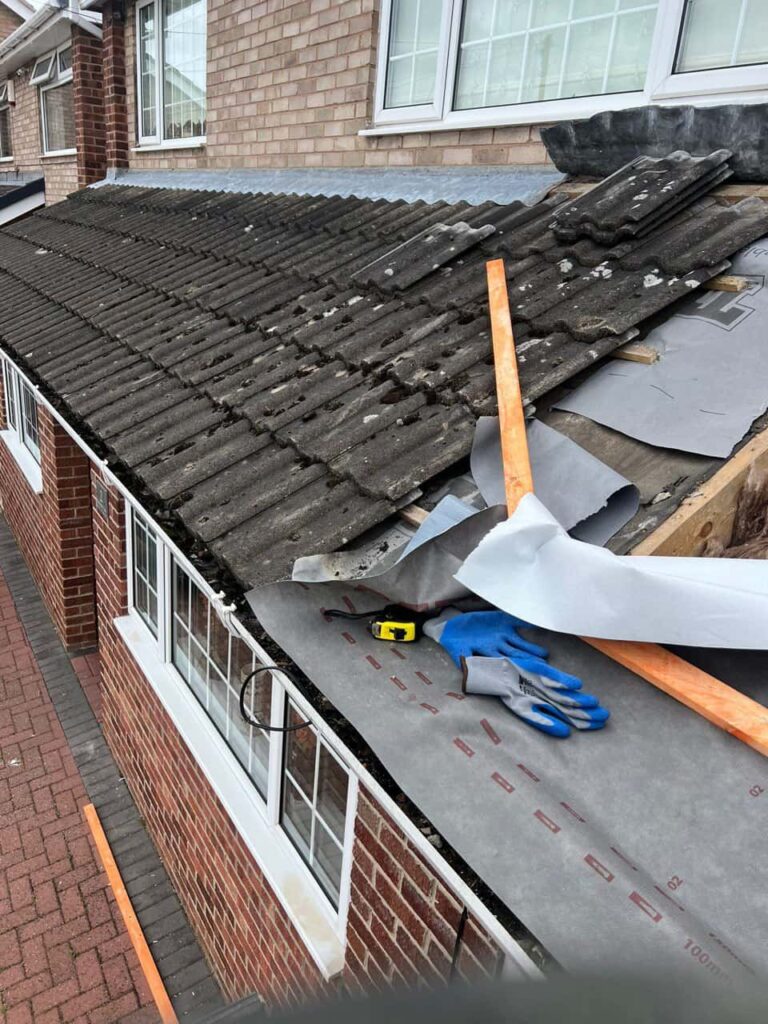
Broken or slipped slate tiles are a common concern for homeowners, particularly in coastal locations where roofs are exposed to changing weather conditions. When a slate cracks or falls away, it’s natural to assume there may be deeper structural problems beneath the surface. However, while fixing or batten issues are a frequent cause, broken slates do not always point to those faults alone.
Understanding why slate damage occurs helps homeowners in Lymington make informed decisions about inspections, repairs, and long-term roof care.
The Role of Fixings in Slate Roof Performance
Traditional slate roofs rely on individual fixings, usually nails or hooks, to secure each tile. Over time, these fixings can corrode, loosen, or fail due to age and exposure.
When fixings deteriorate, slates may slip, crack under uneven pressure, or fall entirely. In these cases, broken slates can be an early warning sign that fixings across the roof are reaching the end of their effective lifespan.
When Battens Are the Underlying Issue
Roof battens provide the framework that supports slate tiles. If battens weaken due to moisture exposure, rot, or age-related degradation, they may no longer provide consistent support.
This can cause slates to flex, sit unevenly, or crack under normal wind and weather loads. Batten-related issues often affect multiple slates rather than isolated tiles, making early detection important to prevent wider roof instability.
Other Common Causes of Broken Slates
Not all slate damage originates from fixings or battens. In many cases, broken slates result from external or environmental factors, including:
- Impact damage from falling branches or debris
- Thermal movement causing natural slate to fracture over time
- Foot traffic during previous roof work
- Long-term weathering, particularly on older slates
In these situations, the surrounding roof structure may still be sound, and targeted slate replacement may be sufficient once the underlying cause is confirmed.
Why Professional Inspection Matters
Distinguishing between surface-level slate damage and deeper structural issues requires experience. A professional roof inspection assesses not only the visible broken slates but also the condition of fixings, battens, and the roof’s overall stability.
This approach ensures that repairs address the root cause rather than just the symptom, helping to avoid recurring issues and unnecessary disruption.
Risks of Leaving Broken Slates Unchecked
Even a single broken slate can allow moisture to penetrate the roof covering. Over time, this can affect underlay, timbers, and insulation, increasing the likelihood of further damage.
Prompt assessment and repair help maintain the integrity of the roof and reduce the risk of small issues developing into more extensive problems.
Roofing Considerations for Homes in Lymington
Properties in Lymington are often exposed to coastal air and variable weather patterns, which can accelerate wear on roofing materials. Slate roofs in particular benefit from regular inspections to identify early signs of fixing fatigue or batten deterioration.
Local knowledge plays a key role in understanding how these conditions affect roofing systems over time.
Conclusion
Broken slates do not always mean there are fixing or batten issues, but they should never be ignored. While some cases are caused by impact or natural ageing, others may indicate underlying structural concerns that require professional attention.
For homeowners in Lymington, Hampshire, a timely roof inspection provides clarity and helps ensure repairs are carried out correctly. If you have noticed broken or slipped slates and want an expert assessment, MCM Roofing Repairs Lymington can provide professional guidance and reliable repair solutions to help protect your roof for the long term.
Call us on: 01590 631 785
Click here to find out more about MCM Roofing Repairs Lymington
Click here to complete our contact form and see how we can help with your roofing needs.