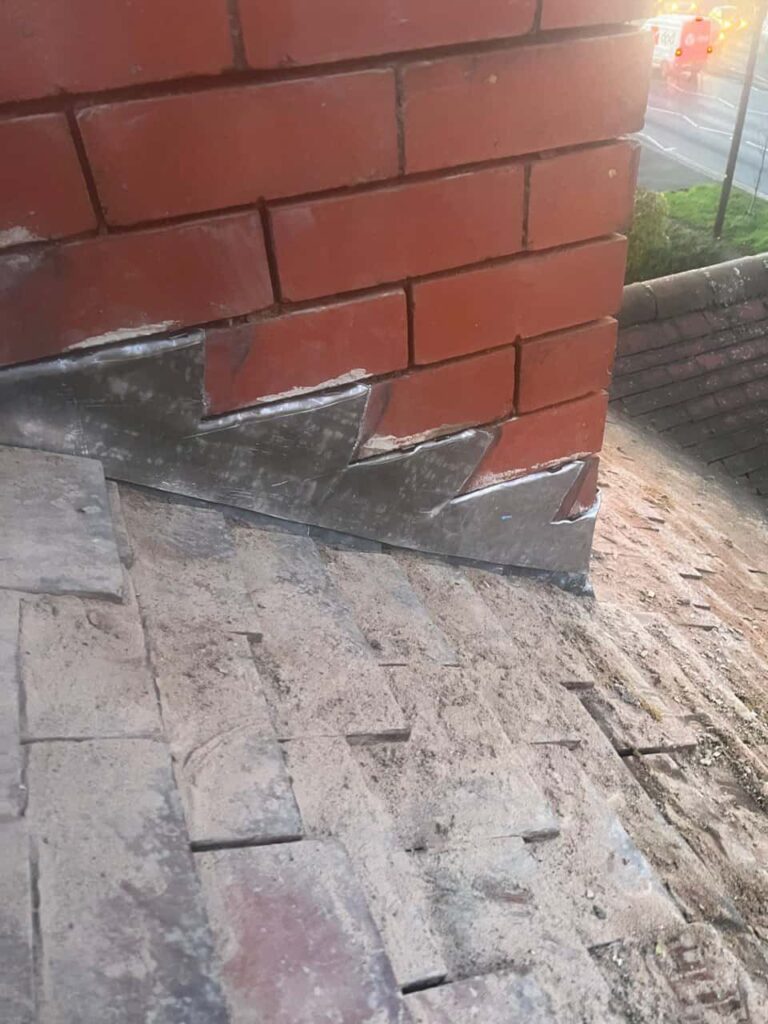
Flat roofs rely on a continuous waterproof membrane to protect the building beneath from rain and moisture. Over time, exposure to changing temperatures, sunlight, standing water and general weather conditions can cause this protective layer to deteriorate. If damage is left unnoticed, even a small defect can develop into a leak and affect the roof structure or the interior of the property.
Recognising the early warning signs is essential for keeping a flat roof in good condition. For property owners in Lymington, Hampshire, regular inspections and prompt attention to potential problems can help prevent minor membrane defects from becoming more extensive roofing issues.
Why Flat Roof Membranes Deteriorate
A flat roof membrane is designed to provide a durable barrier against water penetration. However, it is exposed to the elements throughout the year, and its condition can gradually change.
Temperature fluctuations cause roofing materials to expand and contract. Repeated movement can place stress on joints, seams and vulnerable sections of the membrane. Ultraviolet exposure may also make certain materials brittle over time, while poor drainage can leave sections of the roof exposed to prolonged standing water.
Previous repairs, foot traffic and damage from debris can contribute to deterioration too. Understanding these factors makes it easier to identify areas that may need professional attention.
Common Signs of Flat Roof Membrane Damage
Several visible changes can indicate that a flat roof membrane is beginning to fail. Although not every sign means that a leak is present, each should be assessed before the condition worsens.
Cracks and Splits
Small cracks can develop as roofing materials age or become less flexible. These may appear around seams, corners, edges or areas where the membrane experiences repeated movement.
Splits are particularly concerning because they can create direct openings for rainwater to enter. Even narrow defects should not be ignored, as moisture can gradually reach the underlying roof structure.
Blistering and Bubbling
Raised bubbles or blistered sections may indicate that air or moisture has become trapped beneath the membrane. Changes in temperature can cause these areas to expand, potentially weakening the material and increasing the risk of further damage.
Blistering should be inspected carefully rather than punctured or disturbed, as doing so may create additional openings in the waterproof layer.
Loose or Lifting Seams
The joints between membrane sections are important to the roof’s waterproofing performance. If seams begin to separate, lift or lose adhesion, water may find a route beneath the surface.
Pay particular attention to joints around roof edges, upstands and other transitions. These areas can be vulnerable when the original installation or previous repairs begin to deteriorate.
Ponding Water
Although flat roofs are designed with drainage falls, some water may remain temporarily after rainfall. However, persistent pools can indicate that the drainage system is blocked or the roof surface has developed low spots.
Standing water places additional stress on the membrane and may contribute to deterioration over time. Blocked outlets and damaged drainage details should be investigated.
Damp Patches Inside the Property
Water entering through a damaged membrane may eventually become visible indoors. Warning signs include ceiling stains, peeling paint, damp patches and a musty smell near the roof area.
Internal signs do not always reveal the exact location of the defect. Water can travel beneath the membrane or along roof components before becoming visible, making a professional inspection important.
Why Early Roof Repairs Matter
A damaged membrane rarely improves without attention. Small cracks, loose seams and localised defects can allow moisture to spread into insulation, roof decking and adjoining materials.
Early repairs can help limit the affected area and reduce the likelihood of more extensive work being required later. They also provide an opportunity to identify underlying issues, such as poor drainage or movement in the roof structure, that may have contributed to the damage.
If a leak appears after heavy rainfall, it is sensible to arrange an inspection promptly rather than waiting for further signs of deterioration.
When to Arrange a Professional Flat Roof Inspection
Some membrane defects are difficult to identify from ground level, and walking on a flat roof without suitable precautions can be unsafe or cause further damage. A roofing specialist can assess the membrane, inspect vulnerable joints and check drainage details to establish the likely cause of the problem.
MCM Roofing Repairs Lymington provides roofing repair services for property owners in Lymington, Hampshire. Whether you have noticed cracking, blistering, lifting seams or signs of water ingress, a professional assessment can help determine the most appropriate repair approach.
Conclusion
Flat roof membrane damage often begins with small changes that can be easy to overlook. Cracks, bubbling, loose seams, persistent ponding water and internal damp patches are all signs that the roof may need attention.
Identifying these problems early can help protect the building and prevent avoidable deterioration. If you have concerns about the condition of your flat roof, contact MCM Roofing Repairs Lymington to discuss an inspection and suitable repair options for your property in Lymington.
Call us on: 01590 631 785
Click here to find out more about MCM Roofing Repairs Lymington
Click here to complete our contact form and see how we can help with your roofing needs.