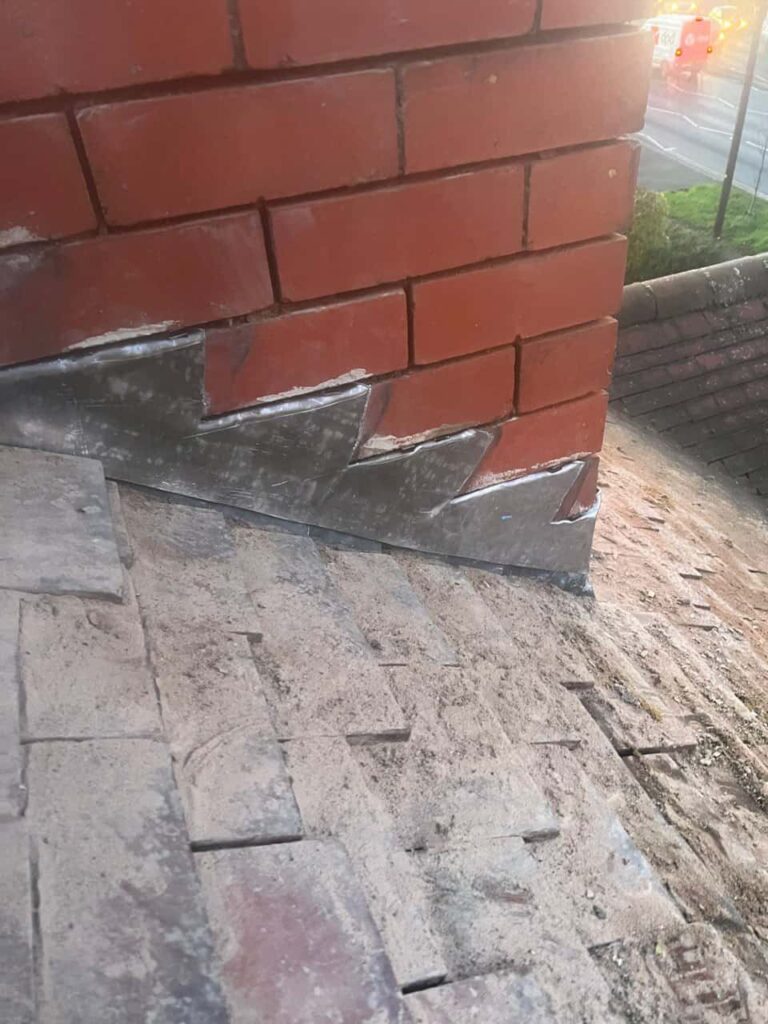
Concrete roof tiles are a familiar feature on many residential properties because they combine practical roof protection with a wide range of profiles and finishes. When correctly installed as part of a suitable pitched roofing system, they provide a robust outer covering designed to manage regular exposure to rain, wind and changing weather conditions.
Their popularity is not based on one characteristic alone. Concrete tiles can suit different roof shapes, create a consistent appearance and allow individual damaged units to be repaired or replaced where the surrounding covering remains serviceable. They also form part of a complete roofing system that includes battens, underlay, fixings, ridges, hips, valleys and flashing.
For homeowners in Lymington, Hampshire, understanding how concrete roof tiles work can be useful when considering roof maintenance, repairs or replacement. Their long-term performance depends not only on the tiles themselves but also on the condition and workmanship of the complete roof construction.
What Makes Concrete Roof Tiles Suitable for Residential Roofing?
Concrete roof tiles offer several characteristics that make them well suited to pitched residential roofs.
These include:
- A strong and substantial roof covering
- A variety of profiles and finishes
- Suitability for many residential roof designs
- Individual tiles that can often be replaced locally
- An overlapping arrangement designed to manage rainfall
- Compatibility with common pitched roof details
- A consistent appearance across larger roof areas
- Practical integration with ridges, hips and valleys
- Straightforward identification of many visible defects
- The potential for targeted repairs where damage remains localised
Their effectiveness, however, depends on appropriate installation and suitable supporting roof components.
Concrete Tiles Form a Robust External Roof Covering
The primary purpose of roof tiles is to protect the structure beneath from direct weather exposure.
Concrete tiles provide a substantial outer covering arranged in overlapping courses across the roof slope. This arrangement helps rainfall travel down the roof rather than reaching the supporting materials underneath.
Individual tiles are only one part of this system. Their positioning, overlap, fixings and relationship with surrounding tiles all contribute to how effectively the roof performs.
Their Overlapping Design Helps Manage Rainfall
Concrete tiled roofs do not rely on each individual tile creating an isolated watertight seal.
Instead, tiles overlap one another in a carefully arranged pattern.
Rainfall reaching the roof surface is directed downwards across successive courses towards the lower edge.
This is why correct tile positioning matters. If a tile becomes cracked, displaced or missing, the intended overlap can be disrupted and areas beneath may become more exposed.
Concrete Tiles Are Available in Different Profiles
One reason concrete tiles are widely used for residential roofing is their versatility in appearance.
Different profiles can create noticeably different roof finishes, ranging from relatively flat arrangements to more pronounced patterns.
This allows the roof covering to complement the shape and character of the property while still performing its practical role.
The important consideration during repair work is ensuring that replacement tiles integrate correctly with the existing profile and arrangement.
A Consistent Roof Finish Can Enhance the Property
The roof occupies a substantial proportion of the visible exterior of many homes.
A consistent tiled covering can therefore contribute significantly to the overall appearance of the property.
Concrete tiles can create clearly defined courses and a uniform finish across large roof slopes.
Maintaining that consistency requires damaged or displaced tiles to be dealt with appropriately rather than allowing isolated defects to gradually affect surrounding areas.
Concrete Tiles Work Well With Pitched Roof Designs
Concrete tiles are commonly associated with pitched roofs because the slope supports the intended overlapping arrangement and movement of rainfall.
The complete roof needs to be designed and constructed so that the tile type, pitch and supporting components work together.
This relationship is important.
A roof tile should never be considered entirely independently from the structure on which it is installed. Correct performance comes from the complete roofing system rather than the surface material alone.
They Can Be Used Across Different Roof Shapes
Residential roofs can contain much more than one simple slope.
Hips, valleys, ridges, changes in direction and other details can all form part of the roof design.
Concrete tiles can be incorporated into many of these arrangements when the appropriate roofing details are used.
These junctions require particular care because they often involve additional materials and construction techniques beyond the standard field tiles covering the main roof slopes.
Individual Damaged Tiles Can Often Be Replaced
A useful characteristic of tiled roofing is its modular construction.
If one concrete tile becomes cracked or damaged while surrounding materials remain serviceable, it may be possible to replace the affected unit without disturbing the complete roof.
This makes targeted repairs practical in many circumstances.
The damaged tile should still be assessed in context. If several nearby tiles are also moving or deteriorating, there may be an underlying issue requiring more than a single replacement.
One Broken Tile Does Not Automatically Mean the Roof Is Failing
Visible tile damage can look concerning, particularly when a crack or missing section creates an obvious interruption in an otherwise consistent roof.
However, isolated damage does not automatically indicate widespread roof failure.
If the defect is genuinely confined to one or a small number of tiles and the supporting construction remains sound, local repair may be entirely appropriate.
Professional assessment helps distinguish an isolated problem from the early signs of broader deterioration.
Slipped Concrete Tiles Need More Than Repositioning
A concrete tile that has moved down the roof slope may not necessarily be broken.
The problem can instead involve its fixing or the support beneath it.
Simply moving the tile back into position may restore the roof’s appearance temporarily without addressing why movement occurred.
Where slipping repeatedly develops, the fixing arrangement, tile condition and supporting battens should be considered to identify the underlying cause.
Fixings Are Important to Tile Stability
Concrete tiles need to remain correctly positioned despite regular exposure to external conditions.
Fixings form an important part of that stability.
Where a fixing becomes ineffective, a tile may begin moving even though the tile itself remains in reasonable condition.
This demonstrates why a roof repair should not focus exclusively on what can be seen from ground level. The components securing the covering can be equally important.
Battens Provide Essential Support
Beneath concrete roof tiles are supporting battens.
These form part of the structure on which the tile covering is arranged and secured.
If a batten deteriorates within a particular section, the tiles above may no longer receive the support they require.
Several neighbouring tiles moving together can sometimes indicate that the problem extends beyond individual units and into the supporting construction.
Underlay Provides an Additional Part of the Roofing System
Below the tiles and battens sits another important component of the roof construction.
Although the tiles form the primary external covering, the underlay contributes to the overall roofing system.
Its condition can become increasingly relevant as a roof ages, particularly where defects in the outer covering have allowed greater exposure beneath the tiles.
A complete roof assessment therefore considers more than the visible concrete surface.
Their Strength Does Not Make Concrete Tiles Indestructible
Concrete tiles are robust, but they can still become damaged.
Individual units may crack, chip or deteriorate, and movement within the roof can affect their position.
The important point is that durability should not be confused with immunity from maintenance.
Regular observation and timely repair of genuine defects can help retain serviceable sections of the roof without allowing isolated problems to remain unattended.
Weathering Naturally Changes Their Appearance
Roofing materials remain exposed throughout the year.
Over time, the appearance of concrete tiles can change as the surface weathers.
This does not automatically mean that the tiles have stopped functioning effectively.
A roof should therefore be assessed according to its physical condition and performance rather than appearance alone.
A weathered tile can remain serviceable, while a newer-looking tile may still require attention if it has cracked or moved.
Surface Appearance and Structural Condition Are Different
Discolouration or general weathering can make an older roof look tired from ground level.
That visual change should be distinguished from physical defects such as cracking, displacement or deterioration of supporting components.
Professional inspection helps make this distinction.
It prevents a roof from being judged solely by colour or surface appearance and focuses attention on issues that actually affect its condition.
Moss and Organic Growth Can Accumulate
Concrete roof tiles can develop organic growth over time, particularly where conditions allow moisture to remain on parts of the surface.
Heavy growth can affect the appearance of the roof and may obscure the condition of individual tiles.
The presence of moss alone does not necessarily mean the roof needs replacing.
Where cleaning or maintenance is considered, it should be approached carefully so that unnecessary damage is not caused to an otherwise serviceable covering.
Roof Maintenance Should Focus on Condition Rather Than Appearance Alone
A visually perfect roof is not necessarily the same as a sound roof, and an older-looking roof is not automatically defective.
More useful signs include slipped tiles, cracks, missing units, recurring water ingress and deterioration around important roof details.
These conditions provide stronger reasons for investigation than normal weathering alone.
An assessment-led approach helps ensure attention is directed towards genuine defects.
Concrete Tiles Integrate With Ridge Details
At the highest point of many pitched roofs, ridge components complete the junction between opposing slopes.
These areas perform a different role from the standard concrete tiles covering the main roof surfaces.
If ridge sections become loose or deteriorated, they require specific assessment.
A problem at the ridge does not automatically mean the field tiles beneath are defective, demonstrating again why individual roof components should be considered according to their particular function.
Hipped Roofs Require Appropriate Detailing
Where roof slopes meet externally at a hip, the covering needs to integrate correctly along that junction.
Concrete tiled roofs can accommodate these designs, but the hip detail forms an important part of the complete system.
Movement or deterioration around the hip should be assessed in context rather than assuming that replacing adjacent standard tiles will necessarily resolve the issue.
Good roofing depends on all these components working together.
Valleys Need Particular Attention
Valleys occur where adjoining roof slopes direct rainfall towards a shared channel.
Because water from larger roof areas can be concentrated through these sections, their condition is important.
Concrete tiles adjacent to valleys need to be correctly positioned and integrated with the valley construction.
If leaks or tile movement develop around these areas, both the tiles and the underlying detail should be considered during assessment.
Flashing Completes Important Roof Junctions
Concrete tiles alone cannot form every junction required on a residential roof.
Where the roof meets certain structures or features, flashing is used as part of the weather-resistant detailing.
A problem that appears to involve nearby concrete tiles may actually originate from deteriorated flashing.
Correct diagnosis prevents unnecessary tile replacement when another component is responsible for the defect.
Concrete Tiles Can Make Localised Roof Repairs Practical
Because the roof is formed from individual units, repair work can often focus on a defined area.
Damaged tiles can potentially be replaced, defective fixings addressed and limited supporting problems repaired while serviceable surrounding roofing remains intact.
This can be particularly useful when deterioration is clearly localised.
The success of this approach depends on establishing the true extent of the problem before work begins.
Matching Replacement Tiles Is Important
A replacement concrete tile needs to fit correctly within the existing roof arrangement.
The profile, dimensions and way the tile interacts with neighbouring units all matter.
A replacement that does not sit properly can interfere with the intended overlap or create an inconsistent section of covering.
Professional repair therefore involves more than finding a tile that looks broadly similar from the ground.
Age Alone Does Not Determine Roof Condition
Concrete tiled roofs can age differently depending on their construction, exposure, maintenance history and individual components.
For this reason, the age of the roof should not be used as the sole basis for deciding whether repairs or replacement are required.
A roof with several years of service may still contain extensive areas of sound covering.
Equally, recurring problems deserve investigation regardless of the apparent age of the tiles.
Condition remains the more useful consideration.
Localised Problems and Widespread Deterioration Need Different Approaches
A small number of cracked or displaced concrete tiles may only require targeted repair.
The situation becomes different when defects occur repeatedly across numerous sections.
Multiple slipping tiles, recurring water ingress, deteriorating support or extensive previous repairs can indicate that the wider roof should be assessed.
This does not mean replacement is automatically necessary. It means the scope of the investigation should reflect the pattern of deterioration.
Concrete Tiles Depend on Good Installation
Even a robust roofing material can perform poorly if it has not been installed correctly.
Tile alignment, overlap, fixing, support and detailing around roof features all contribute to long-term performance.
Good installation creates a coherent roof covering in which the individual tiles work together rather than functioning as isolated components.
This workmanship is one of the most important factors behind a dependable concrete tiled roof.
Repairs Also Need to Integrate With the Existing Roof
When a roof has already been in service for many years, repairs need to work with the materials that remain.
Replacing one tile, repairing a local section or addressing a roof detail should restore the function of the affected area without unnecessarily disturbing sound surrounding materials.
This is why careful diagnosis and proportionate repair are important.
The objective is not simply to make the defect disappear visually, but to restore the integrity of the relevant part of the roof.
Regular Observation Can Help Identify Problems Earlier
Homeowners do not need to inspect roofing components closely themselves to notice visible changes.
A tile that suddenly appears lower than neighbouring units, an obvious gap in the covering or debris associated with a damaged tile can indicate that attention is worthwhile.
Changes are particularly useful when compared with how the roof normally looks.
Professional assessment can then determine whether the visible issue is minor or connected to a wider problem.
Why Professional Concrete Tile Roof Repairs Matter
Concrete tiled roofs contain numerous individual components, and similar-looking problems can have very different causes.
A slipped tile might result from an isolated fixing issue, while movement across several neighbouring tiles could involve supporting materials. Water ingress near a tiled section might originate from the tiles, a valley or another roof detail.
At MCM Roofing Repairs Lymington, we assess the visible problem together with the surrounding roof construction before recommending an appropriate repair.
For homeowners in Lymington, Hampshire, this helps ensure that serviceable concrete tiles are retained where practical while genuine defects receive the attention they require.
Conclusion
Concrete roof tiles remain a popular choice for residential properties because they provide a robust, versatile and visually consistent covering for many pitched roof designs. Their individual-unit construction can also make targeted repairs practical when cracking, displacement or other damage remains localised.
Their performance, however, depends on much more than the concrete tiles themselves. Correct installation, suitable fixings, sound battens, appropriate overlap and well-maintained ridges, hips, valleys and flashing all contribute to the complete roofing system.
If you have a concrete tiled roof in Lymington, Hampshire and have noticed cracked, slipped, missing or deteriorating tiles, contact MCM Roofing Repairs Lymington. We can assess the affected area, identify the underlying cause and recommend a proportionate repair approach based on the condition of the roof.
Call us on: 01590 631 785
Click here to find out more about MCM Roofing Repairs Lymington
Click here to complete our contact form and see how we can help with your roofing needs.